A Practical Guide to Platform Bed Frames: Styles, Materials, and Sleep Ergonomics
Exploring platform bed frames across common styles, from minimalist wood designs to modern upholstered options. This guide explains material choices, sizing considerations, and how to optimize sleep posture and frame longevity without promoting purchases.
Introduction: Framing Sleep, Framing Space
A bed frame is more than a place to rest a mattress; it is the foundational frame that shapes how we experience sleep, room proportion, and even the acoustic footprint of a bedroom. Platform bed frames, with their low profile and slatted foundations, have become a design staple in contemporary interiors while preserving practical attributes such as ease of cleaning, under-bed access, and adaptable height. This article surveys the landscape of platform designs, materials, and ergonomic considerations, offering a clear framework for readers seeking a thoughtful, non-promotional understanding of bed frame options.
Drawing on sleep science and furniture ergonomics, we explore how a platform bed supports spinal alignment, pressure distribution, and temperature regulation. We also consider room size, weight support, and the realities of assembly and maintenance—topics that matter whether you are furnishing a compact urban apartment or a spacious, light-filled master retreat.
What Is a Platform Bed Frame?
Platform bed frames represent a distinct category in the taxonomy of bed frames. Typically characterized by a solid or slatted base that provides mattress support without the need for a traditional box spring, these frames emphasize a low-to-moderate profile. The look ranges from stark minimalism to refined warmth, depending on the chosen materials and finish. Structurally, a platform bed distributes weight evenly across a broader surface, which can contribute to steadier edge support and a flatter sleep surface.
In design terms, the platform bed often serves as the anchor for a modern or mid-century-inspired bedroom. Its clean lines and relatively low silhouette can heighten ceiling perception in smaller rooms, while still offering generous under-bed clearance in larger spaces. The absence of a box spring can simplify bedding choices, though the exact configuration should align with mattress type and personal sleep posture.
Common Styles Within Platform Design
Platform bed frames manifest in several enduring idioms. The following outlines three widely encountered styles and the design cues they convey:
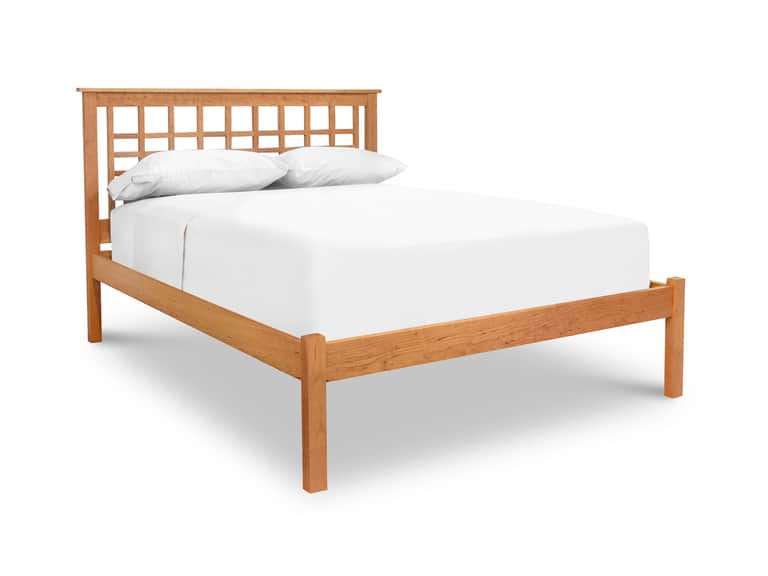
- Wood Slat Platform: This style emphasizes natural warmth and texture. A solid-wood slat base often rides close to the floor, exposing grains and joints that celebrate craftsmanship. It pairs well with both traditional and contemporary interiors, offering a versatile stage for a variety of mattress types.
- Upholstered Platform: Upholstery adds tactility and comfort to the headboard or frame perimeter. Fabrics range from durable linens to plush velvets, enabling a tactile focal point without sacrificing the streamlined silhouette. This style is particularly effective in bedrooms aiming for a soft, luxurious atmosphere.
- Low-Profile Minimalism: A pared-back approach centered on precise geometry, often with metal or wood accents and a shallower height. This aesthetic favors a calm, uncluttered ambiance and tends to highlight other design elements such as lighting, wall textures, or a bold accent wall.
Materials: How They Shape Comfort and Longevity
Material choices for platform beds influence durability, weight distribution, and thermal comfort. Common materials include solid wood, engineered wood, and upholstered components. Each option carries its own maintenance profile and aesthetic language:
- Solid Wood: A traditional choice that communicates craftsmanship and longevity. Maple, cherry, walnut, and oak offer varied graining and color tones. Solid wood frames tend to age gracefully, with the potential for minor refinements through traditional care methods.
- Engineered Wood with Veneer: A more cost-conscious alternative that still delivers a contemporary look. Veneers can mimic more expensive hardwoods while maintaining a lighter weight frame. Proper humidity control helps preserve veneer integrity over time.
- Upholstered Surfaces: Fabric or leather-wrapped surfaces on headboards or rails can soften the room’s texture and contribute to acoustic comfort. Upholstery requires routine cleaning and occasional protection from sun exposure to prevent fading and wear.
Sizing Considerations: Calibrating Space, Mattress, and Sleep Style
Choosing the right size involves aligning room dimensions with occupant needs and mattress compatibility. Platform beds are available in common sizes such as Twin, Full, Queen, and King, with variations like California King in some models. When assessing size, consider:
- Room footprint: Ensure there is adequate clearance around the bed for movement, clothing, and bedside storage or tables.
- Mattress compatibility: Platform bases may be designed for specific mattress types or thicknesses. Some slat systems benefit from tighter spacing to prevent mattress sag, while others accommodate a broader range.
- Sleep partnership: For couples, ensure the frame supports even weight distribution and minimizes motion transfer.
Sleep Ergonomics: How the Frame Affects Posture
A platform bed’s influence on sleep posture is mostly indirect but meaningful. A stable, well-supported base helps maintain the alignment of the spine and hips, particularly for back and side sleepers. Some practical ergonomics considerations include:
- Mattress height relative to sleeping position: A frame height that places the hips at a comfortable elevation can reduce strain on the lower back when transitioning in and out of bed.
- Rail and edge firmness: Solid adjacency along the rails supports even weight distribution and reduces the likelihood of feeling a “ledge” at the edge, which can disrupt sleep posture during repositioning.
- Foundation compatibility: Slatted or solid foundations should align with mattress needs, particularly for memory foam, latex, or hybrid constructions, to maintain consistent contouring and support.
Assembly and Maintenance: Keeping a Platform Bed in Prime Condition
A platform bed, by design, often emphasizes straightforward assembly. Yet longevity rests on periodic checks and mindful maintenance. Practical tips include:
- Regular checks: Periodically tighten bolts or connectors to preserve alignment and prevent creaking.
- Cleaning routines: Use a soft cloth and a mild cleaner appropriate for the frame’s finish. Avoid harsh solvents that could degrade finishes or adhesives.
- Humidity and wood care: For wood frames, maintain stable humidity to reduce warping or cracking. Consider a humidistat in climate-controlled bedrooms to monitor conditions.
Contextual Notes: Historical and Contemporary Perspectives
The architectural and interior design communities have long embraced platforms as a reflection of evolving sleep culture and furniture technology. If one traces the development of modern bedroom layouts, the platform bed’s ascent mirrors broader shifts toward cleaner lines, modular components, and multi-function living spaces. Contemporary designers often emphasize how a bed frame integrates with storage, lighting, and seating—elements that together create a holistic nocturnal environment. While individual designers and studios contribute to the discourse, this article remains centered on practical understanding rather than promotional recommendations.
Product Note: Relevant Examples That Align with the Topic
The following products illustrate the range of real-world platform bed design without serving as a shopping prompt. They reflect material choices and structural considerations discussed above. Each entry references publicly accessible product pages that demonstrate design intent and construction quality rather than advertising narrative.
- Modern Craftsman Low Footboard Bed — A solid-wood platform with a low footboard profile, crafted in Vermont from Cherry, Maple, or Walnut, finished with an eco-friendly oil. This example underscores how natural wood choices contribute to grain visibility, longevity, and an understated, contemporary silhouette.
- Vermont Shaker Four Poster Bed — A traditional four-poster approach that demonstrates how canopy frames and vertical posts can influence room verticality while retaining a platform-focused philosophy of mattress support without a box spring.
- Vermont Shaker Four Poster Bed with Canopy — An evolution of the same design language, incorporating a canopy for a timeless, architectural presence and a clear demonstration of how frame geometry interacts with bedding ensembles.
These examples illustrate the spectrum of platform-style design, from minimal wood frames to more ornate, canopy-bearing configurations. They are offered here as reference points for readers seeking to ground theoretical considerations in real-world forms, without urging purchase or endorsing a particular supplier.
Glossary: Key Terms You’ll Encounter
- Platform bed: A bed with a low-profile base designed to support a mattress without a box spring, often featuring slats or a solid panel.
- Slat base: A supportive grid of wooden or metal slats that provide resilience and airflow under the mattress.
- Edge support: The rigidity and stability along the perimeter of a bed frame that helps prevent sagging and improves seating comfort at the edges.
- Headboard/Footboard: Vertical or horizontal panels at the head or foot of the bed, which can be minimalist or upholstered for comfort and aesthetics.
- Canopy: A frame or vertical posts supporting fabric or architectural elements above a bed, adding height and decorative presence.
Final Thoughts: Balancing Form, Function, and Sleep
Platform bed frames offer a practical, aesthetically flexible route to a well-proportioned sleeping space. Their success lies in aligning design sensibilities with ergonomic realities. A bed frame should neither dominate nor disappear; rather, it should support a restful posture, adapt to the room’s scale, and withstand the rhythms of daily life. In practice, the best platform bed emerges from a thoughtful pairing of mattress type, frame height, and room geometry—an arrangement that invites a calm, uninterrupted night’s sleep and a peaceful, organized morning routine.
As with any substantial room element, consideration of materials, maintenance, and sizing yields dividends over time. The aim is a long-lived foundation—one that remains quiet about its own existence while making a quiet, lasting impact on the way you rest, move, and wake up.

